
Fossil Free Carbon.
Our product
The next generation will procure Swedish carbon.
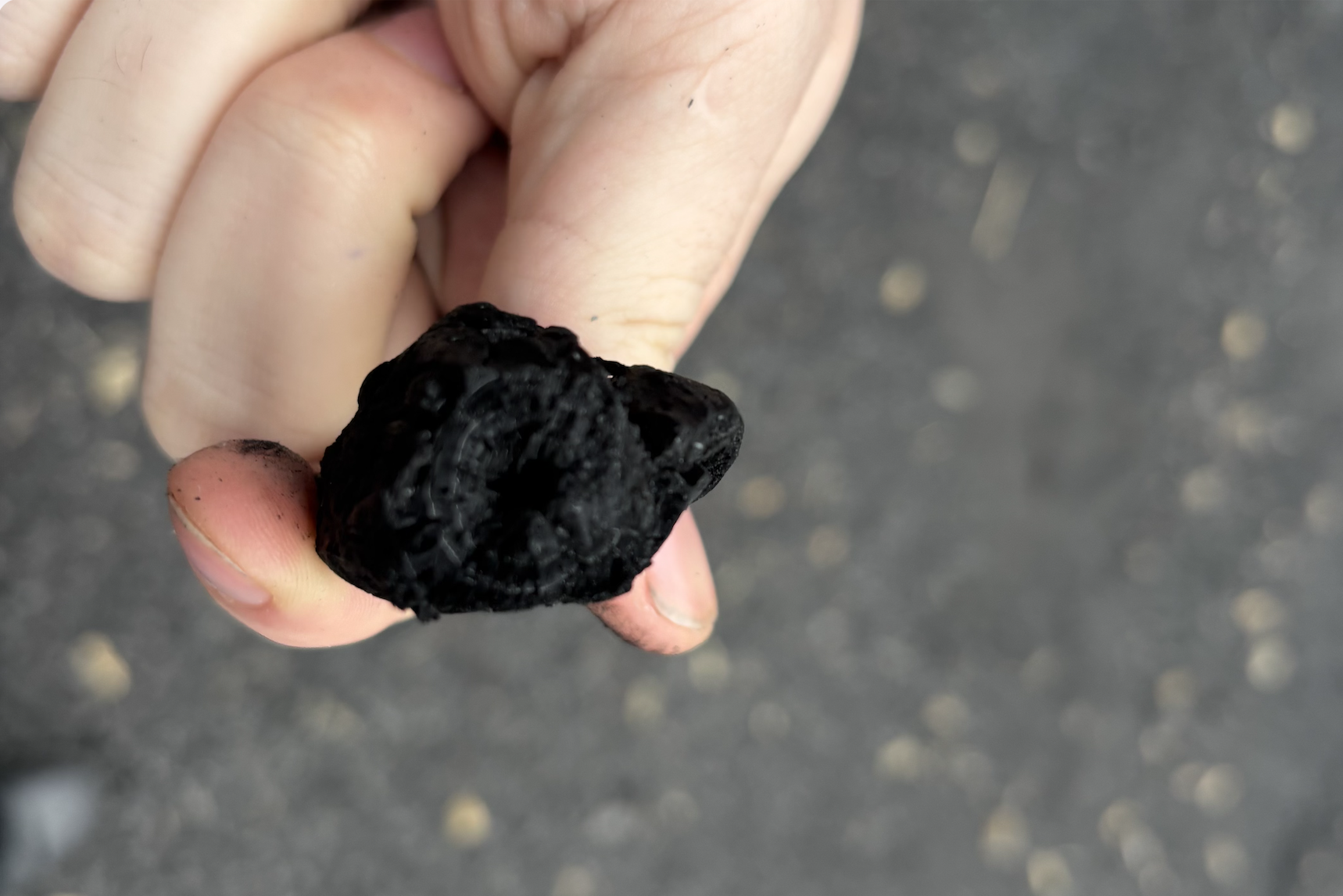
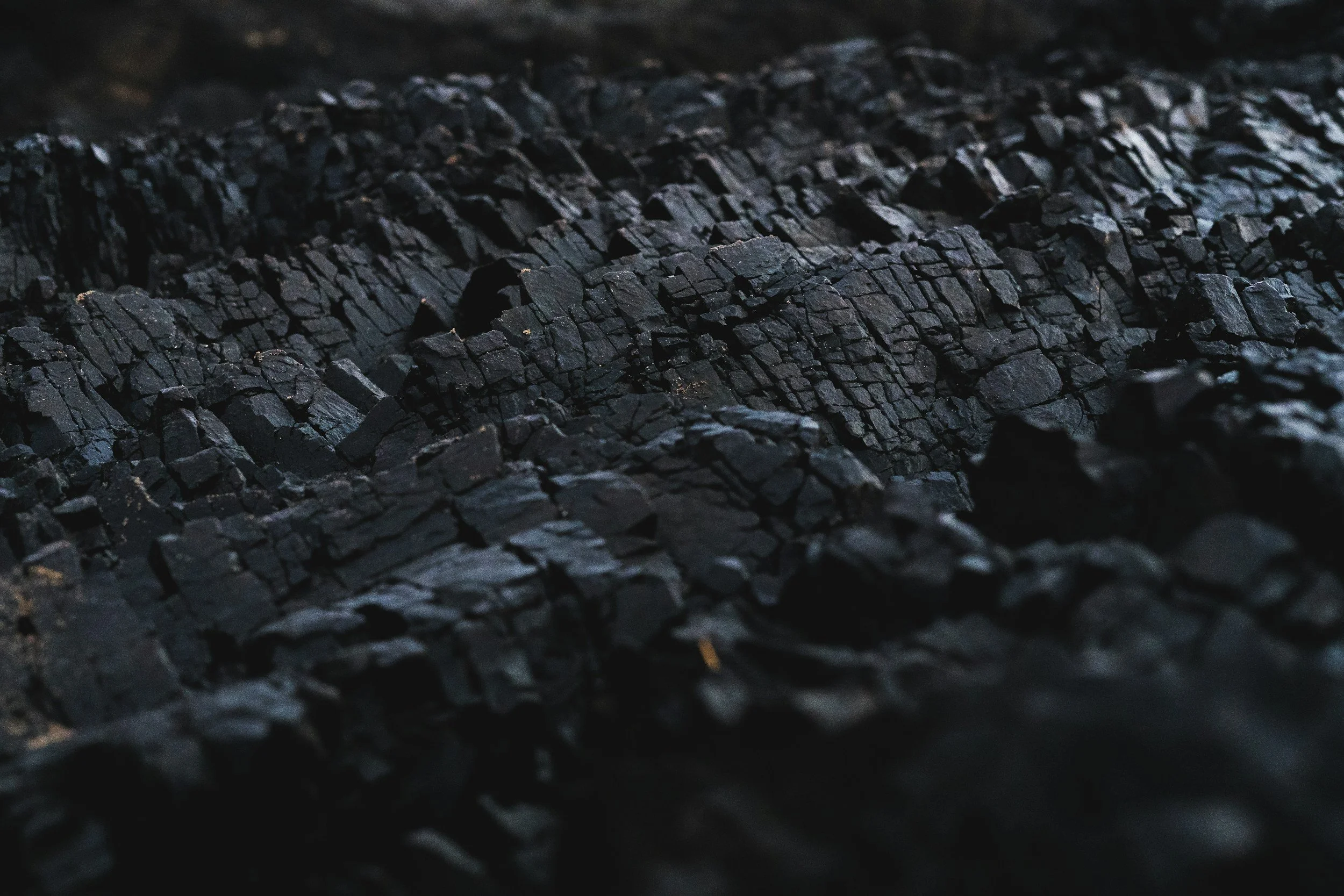
Harads Biocarbon is a renewable alternative to fossil coal and coke, produced from sustainably sourced Swedish biomass. Designed for steel, ferroalloys and other high-temperature industrial processes, it provides the carbon industry still needs — without adding fossil carbon to the cycle.
With high fixed carbon, low ash and low levels of sulfur and phosphorus, our biocarbon is developed to replace fossil carbon in applications such as carburization, reduction and slag foaming. It can be processed and handled using existing industrial equipment, enabling producers to reduce fossil CO₂ emissions without redesigning their entire production process.
>85%
Fixed carbon
Low
Ash & impurities
1:1
Built to replace fossil carbon
FAQ
-
We produce biocarbon, also known as biochar at our demonstration plant in Harads, Sweden.
The facility has been in operation since 2020 and supplies industrial customers across the Nordics, while also serving as a platform for scaling future production.
-
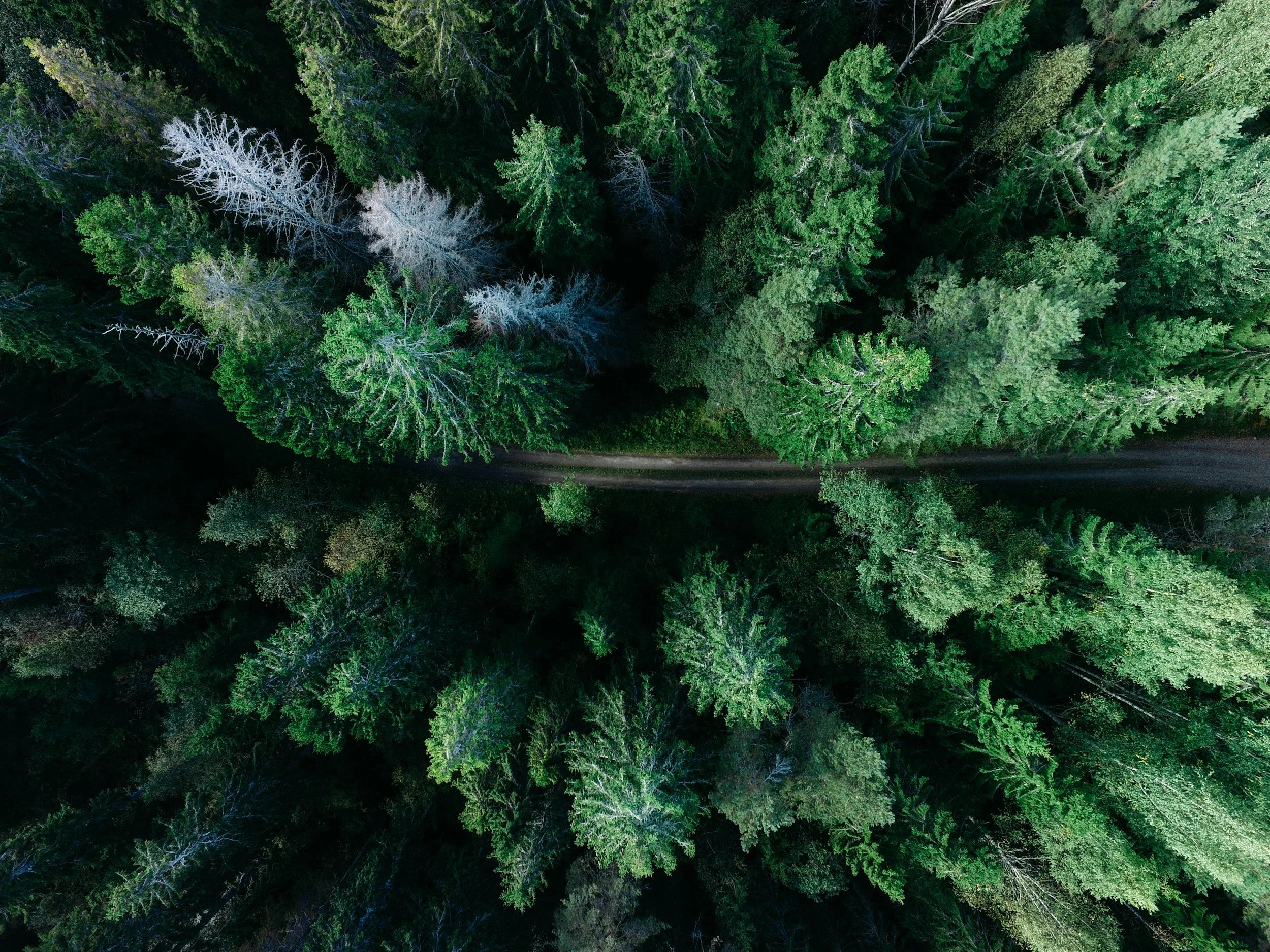
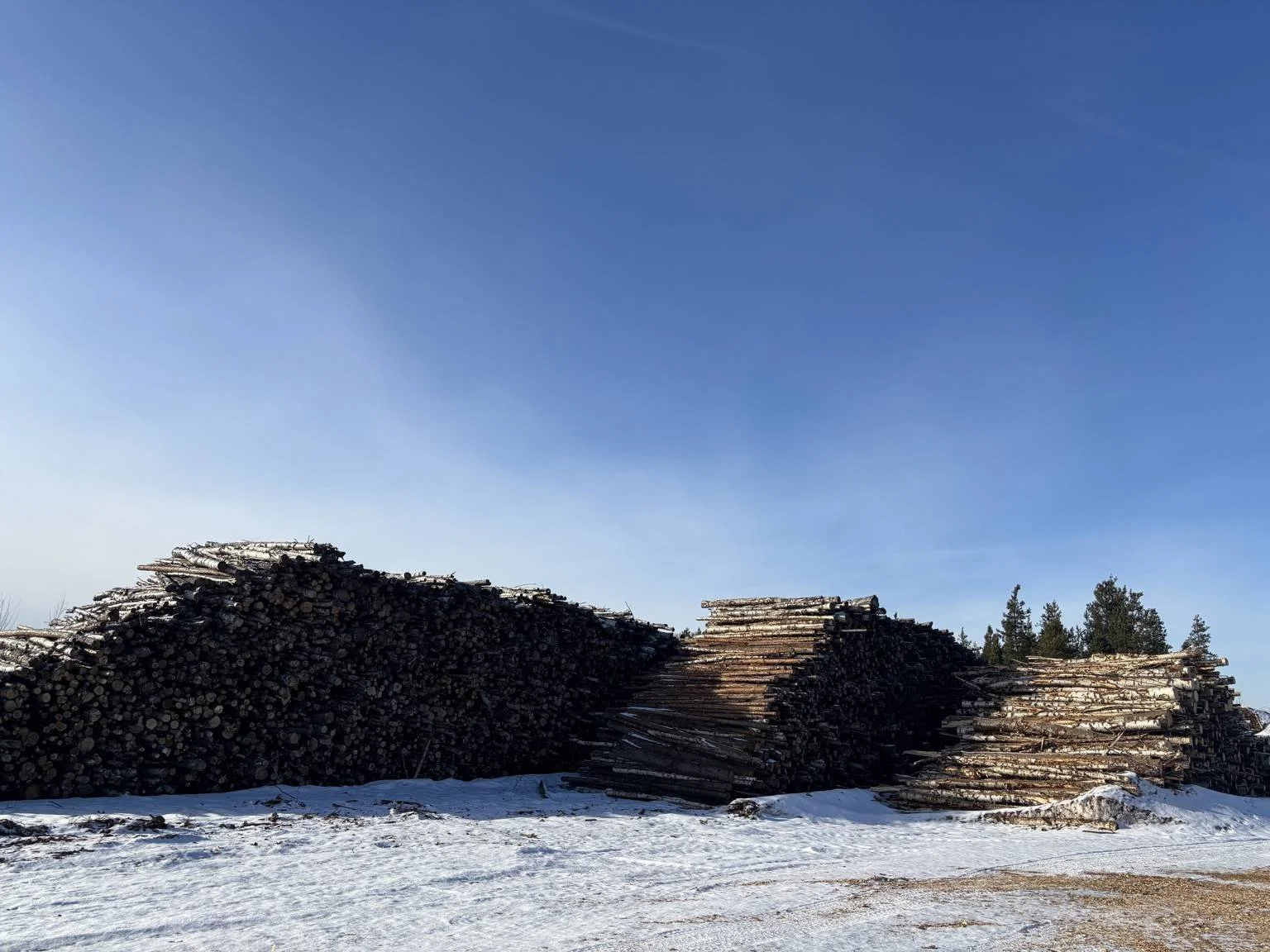
We use locally sourced forest residues and biomass from Northern Sweden.
-
Our biocarbon is designed to replace fossil carbon such as coal or coke in metallurgical processes.
Typical applications include: Iron and steel, Ferroalloy production, Pelletizing and sintering, Cement and other high-temperature processes
-
Biocarbon can be integrated into existing processes without major modifications, enabling immediate CO₂ reductions.
As a reference, one ton of biocarbon can reduce emissions by up to three tons of CO₂ when replacing fossil alternatives in industrial use.
-
We supply high-quality biocarbon to heavy industry, enabling the transition away from fossil carbon.
Our focus is on sectors where carbon is essential to the process, but where its fossil origin can be replaced.
Developed for industrial use, our biocarbon is already being tested and applied in metallurgical processes where fossil carbon is required.
Applications
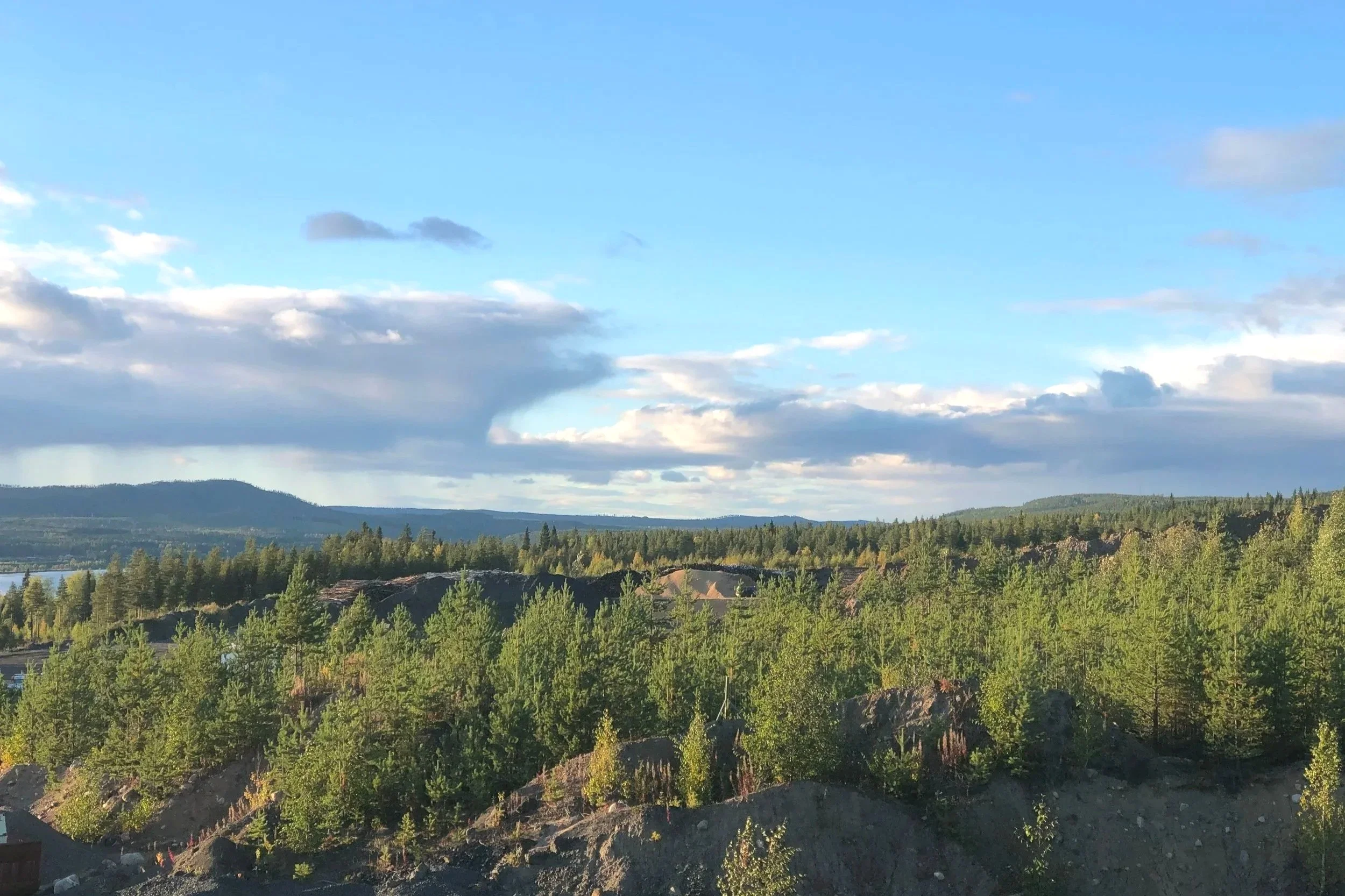
Our operations are based in Norrbotten, contributing to local jobs and long-term industrial development.
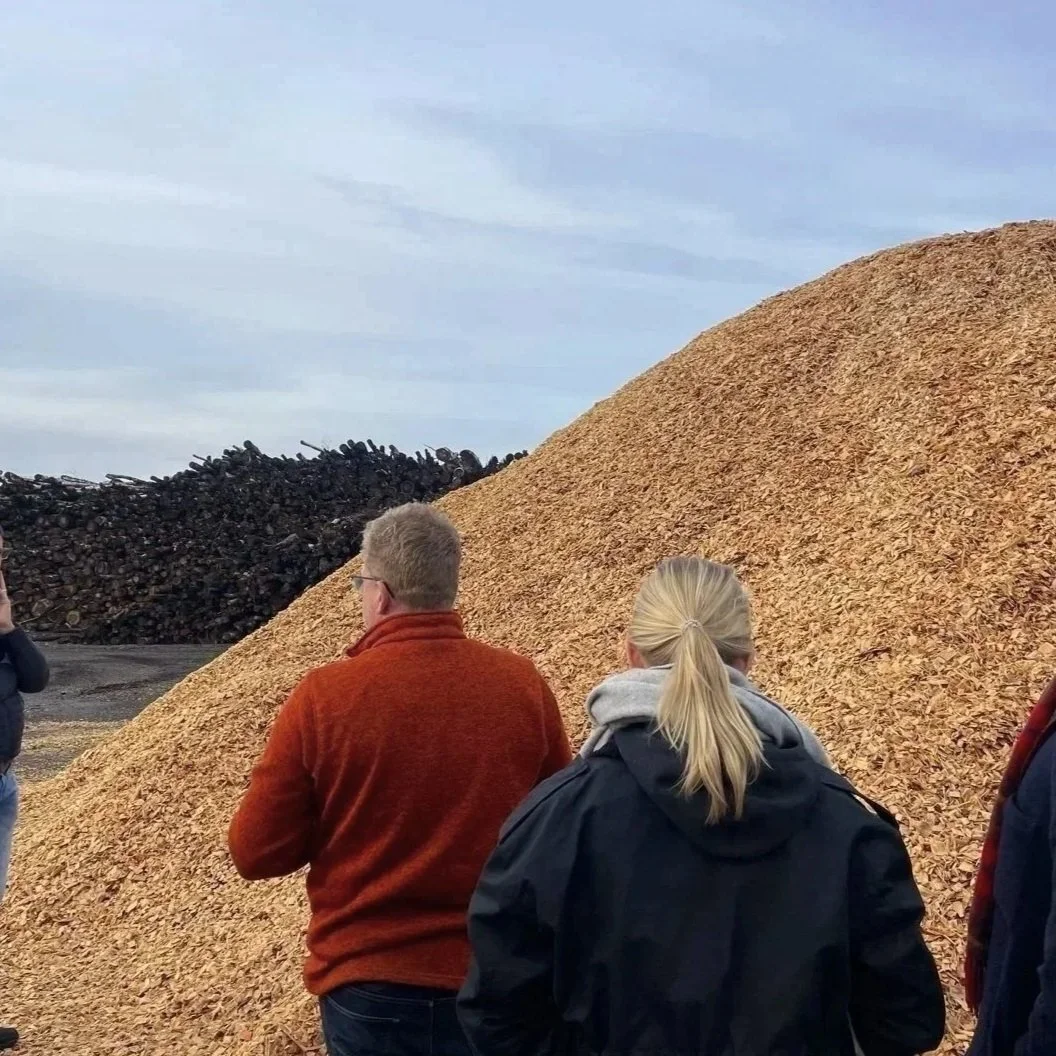
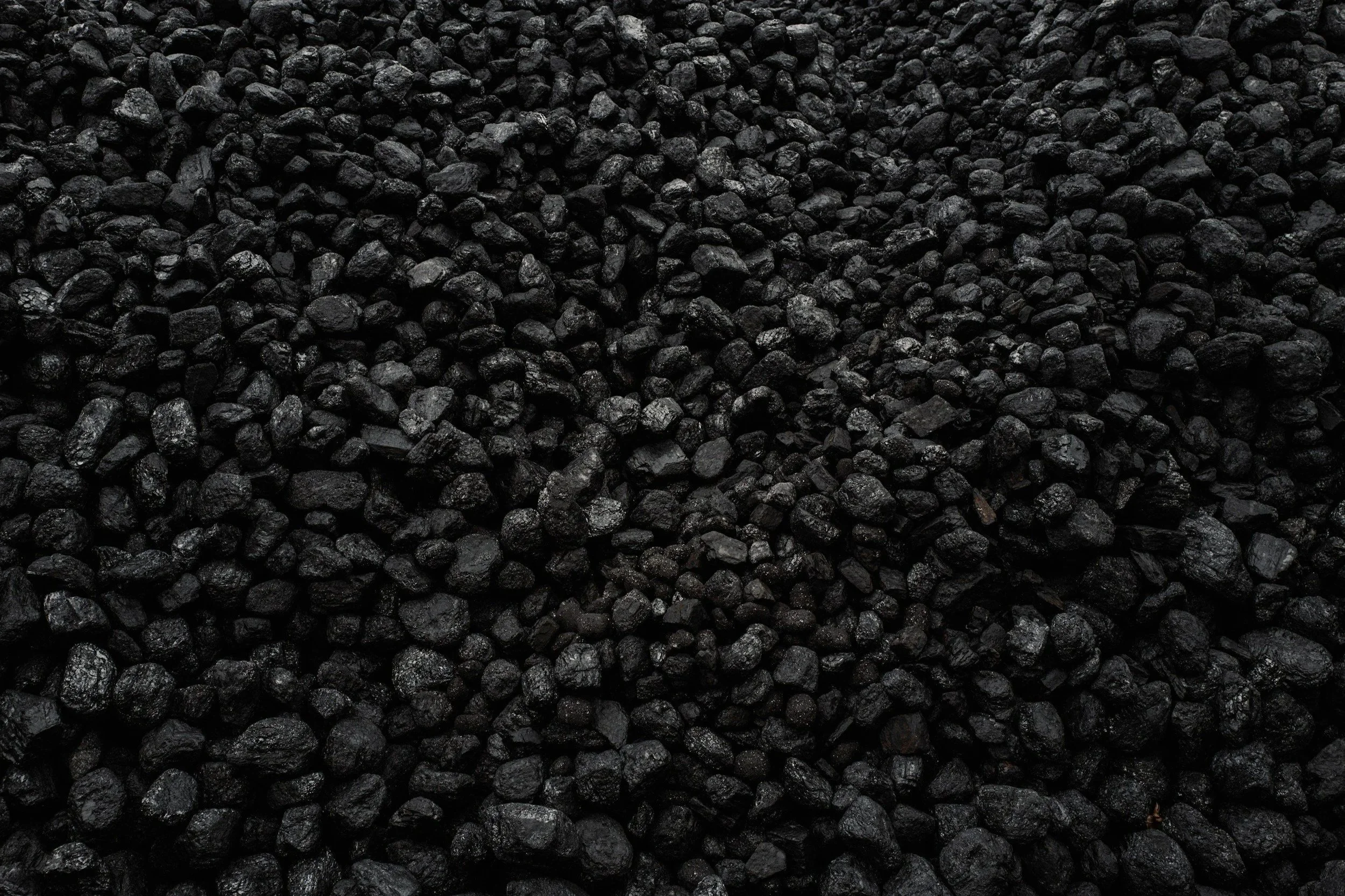
We produce biocarbon with one of the lowest climate footprints in the world.
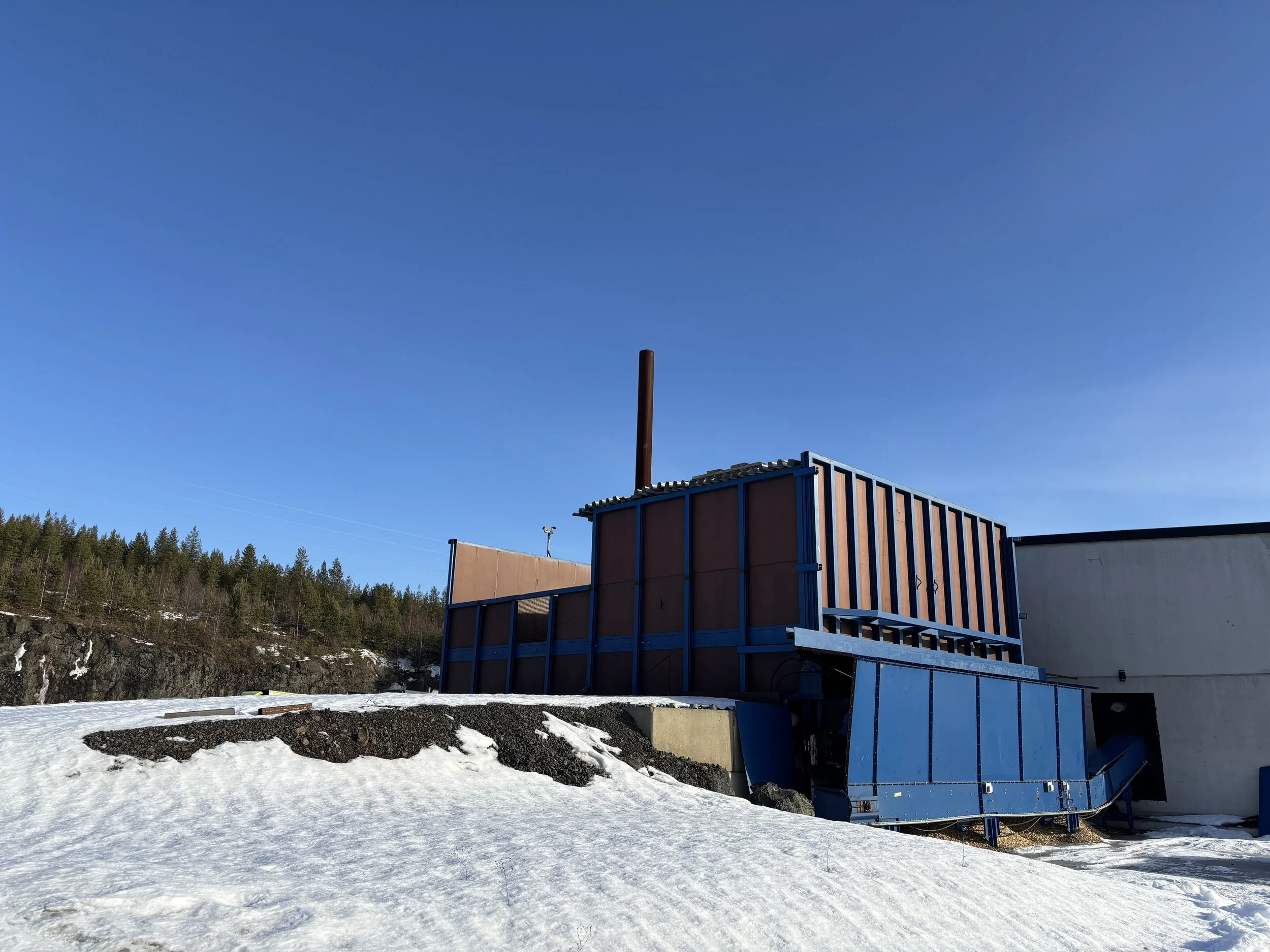
Powered by renewable hydropower in northern Sweden — because biocarbon is only as green as the energy used to produce it.
“This is not a new idea. It’s the result of decades of research, testing, and real industrial application. We know how to produce biocarbon that works”
— CEO & Founder Niclas Norberg
Looking ahead.
Expanded production capacity
With strong regional infrastructure, we are building the foundation for one of Sweden’s most important biocarbon hubs, supporting the large-scale decarbonization of heavy industry.
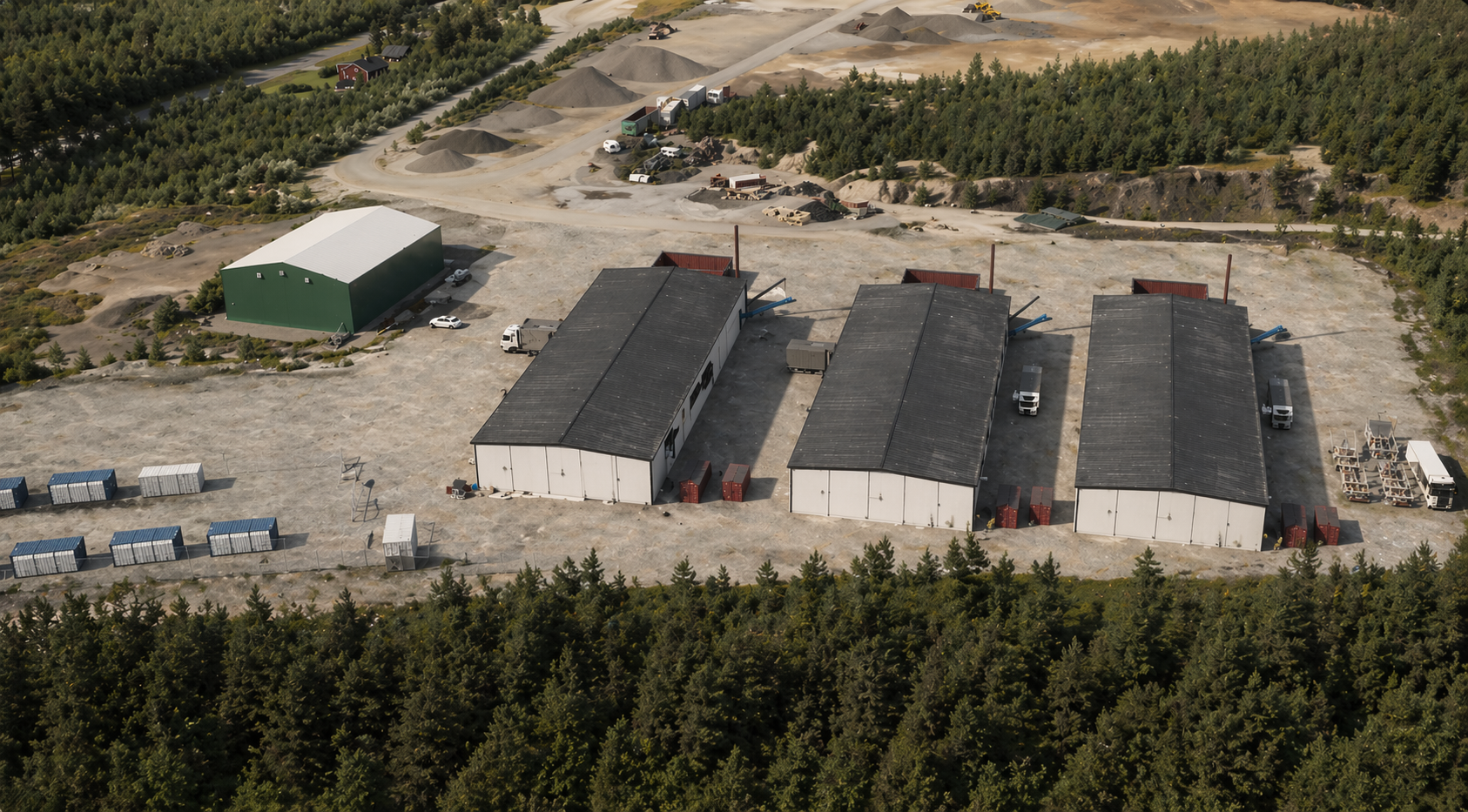
From feedstock to biocarbon.
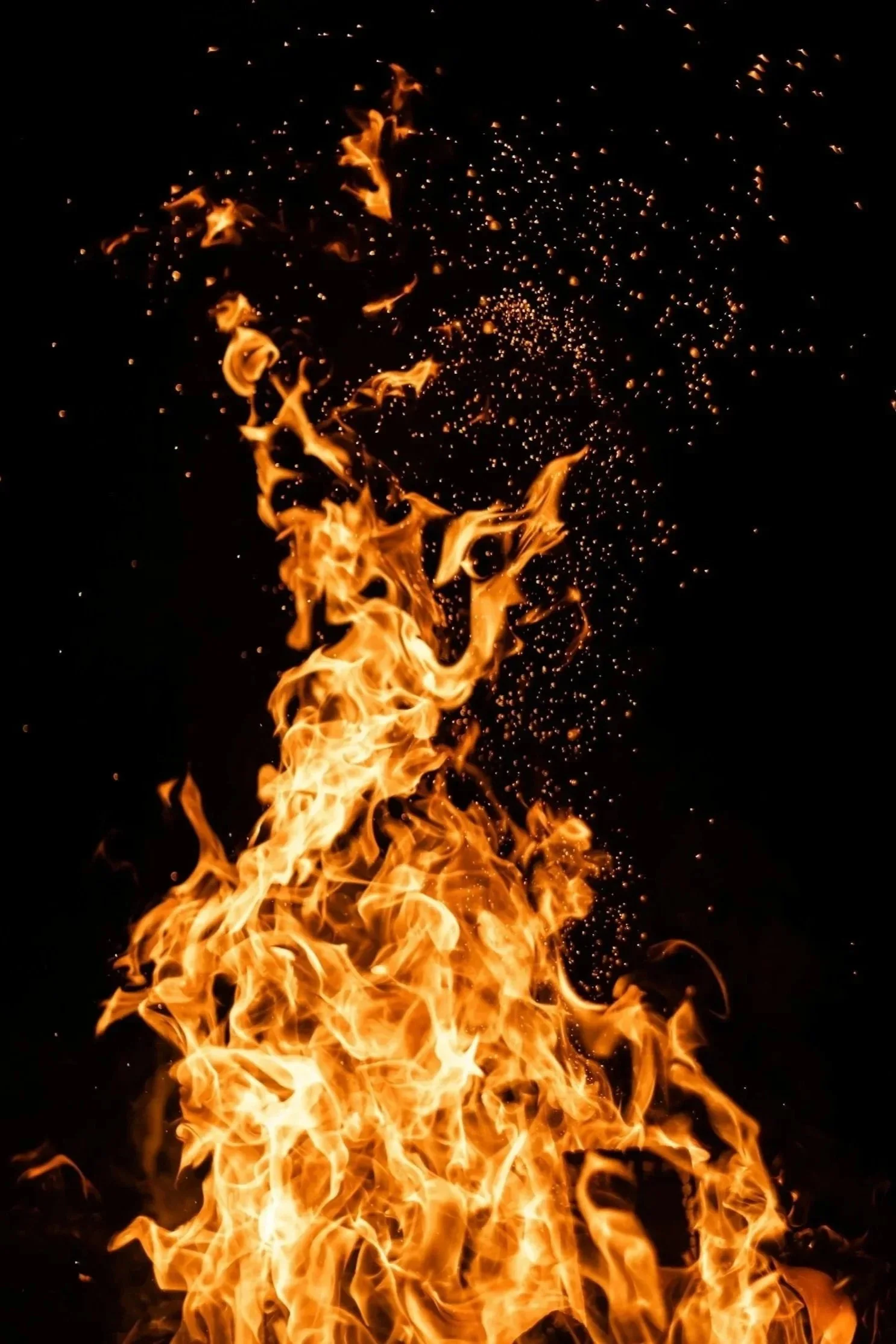
Biocarbon is produced through pyrolysis, a controlled thermal process where carbon-based materials are converted without oxygen. Instead of burning, the material is transformed into a stable, carbon-rich solid.
At Harads Arctic Heat, we have designed and built our own reactor technology and operate as an independent OEM.
Our system is engineered to process any carbon-containing feedstock, from wood, chips and bark to sludge and textile waste.
Our process reaches temperatures between 600-1000 °C enabling the biomass to break down rapidly.
The result is a consistent, high-quality biocarbon with properties comparable to fossil carbon, ready for direct use in industrial processes.